The history of the supernatural thriller is longer than you may expect. As long as humans have existed, we feel compelled to tell stories, to bask in the thrill of the storyteller and endeavor to understand the world beyond our senses. You may be familiar with the film genre of the supernatural thriller, but its timeline extends to the earliest of times.
Within this genre of storytelling, the primary conflict tends to be between two main characters, with one possessing some sort of supernatural power like hero-themed tales such as Gilgamesh. An early example of this device is found many times in Home’sThe Odyssey. Odysseus, as he fights to make it home, comes across many supernatural creatures, gods and demigods possessing otherworldly powers. An epic tale such as this was not written down at first but told and retold to avid listeners. Weaving the mystery of the supernatural with the excitement of the thriller was sure to keep listeners interested in the storyteller’s saga.

Beowulf – First Page from Nowell Codex
Another example of the supernatural thriller genre you may have never considered is Beowulf, the heroic 8thcentury tale written by an anonymous Anglo-Saxon poet. Beowulf battles Grendel, a creature with impenetrable skin, as well as Grendel’s mother, who seems to be on the verge of victory over Beowulf. However, the warrior takes her magic sword and slays her. Man against the supernatural.
This mixture of suspense and other traditional thriller elements such as horror and the occult lends an intense engagement of the intellect as well as the more organic, basic human fears. Still, the graphic and gratuitous nature of modern horror gore is usually not present. Take for instance Shakespeare’s Hamlet and Macbeth. The supernatural serves as a means to propel action within the plays. Hamlet is spurred to action by the revelations of his father’s ghost. Hamlet seeks fatal revenge for the king’s death at the ghost’s behest. In Macbeth, we find all manner of the supernatural: witches, curses, apparitions, a dagger suspended in air and ghosts. The three witches’ prophecies validate Macbeth’s fears and sinister ambitions. Shakespeare’s use of the supernatural adds intensity, motivation and insight into the actions of his characters.
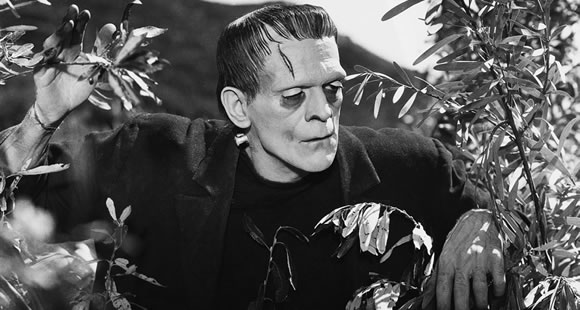
Over time, the supernatural thriller style of storytelling evolved into stories of a Gothic nature such as Mary Shelley’s Frankenstein. This famous story enfolds to tell the tale of what is known as “the noble savage.” Frankenstein’s creation wishes to be embraced by a society that finds him horrific. He attempts to live despite Frankenstein’s rejection; however, his unnatural strength puts those around him at dire risk. The monster is thus compelled to pursue his creator to exact revenge. Again, supernatural elements, like the ability to create life from death, provide a catalyst to the story and character development.

No comments:
Post a Comment